The relation between eCommerce, SEO and SEM
Every brand's needs are different and need a distinct mix of SEO, SEM, and ecommerce. Online marketers examine a brand name's objectives and abilities to determine what programs are required however how will they achieve goals and what information is needed to accomplish these goals?
30-second summary:
What's the difference between SEO and SEM?What are the aspects of a successful search method?
How can online marketers pick a winning formula for their business goals?Goodway Group's Browse Center of Quality, Lisa Little helps you discover the responses.
What's the difference in between SEO and SEM? Is ecommerce considered search?To understand the relationship of these channels within the search function, think about a playground competition of dodgeball (SEO), kickball (SEM), and tetherball (ecommerce). All video games are used the very same play area (search engine results page, SERP) with the same kind of ball (platforms) but different rules, gameplay, gamer positions, tactical play, variables, and goals to win.
Some gamers (advertisers) invest everything into playing just one video online marketing essentials - iONLINE Digital Marketing game. The professional athletes (efficiency marketers) that play a mix of those video games and master the common capability (information storytelling, comprehending impact to business, prominent interaction skills, continual learning, eagerness to test, embrace fast modification) guideline the playground.
The SERP is filled with elements and listings of all types that fall under these 3 channels to make up the search marketing function. There are three essential benefits of an extensive search method:
In tandem, they take up more property on the SERP for your brand to own and press out your competition. Integrated brand names can get maximum presence.
The searcher typically does not know if they are engaging with ecommerce, paid, or natural listings, and the best combination can indicate that you will be there for your consumer when, where, and how they personally choose to engage with your brand name.
Regardless of how disorderly the course to conversion can be today, a combined search technique will cover full-funnel bases and guarantee you're reaching the client in a customized, reliable, and efficient way.
Advertisers, brand names, classifications, verticals, and seasonality all entered play when identifying the right mix of SEO, SEM, and ecommerce efforts for your particular brand. It's absolutely not one size fits all.Here's the what, why, and when breakdown to direct brands as they establish their special search combination.
Online search engine marketing or paid search or SEM or PPC
SEM is paid marketing activated by keyword searches. There is a real-time blind auction (a combination of bid, quality, relevance) each time a keyword is browsed to position on SERP with the other advertisers competing in that very same auction.
Why?
SEM offers messaging and targeting control that serves at the top of SERP. If you're not taking part, your rivals are.When?
Marketers utilize SEM when they require immediate awareness, traffic, and results. To best make use of SEM, online marketers should have a spending plan to spend on paid digital media.
SEO or organic search or area listing management
SEO provides listings based upon pertinent search terms to the SERPThis can be in the type of knowledge graphs, SEO listings, map listings, social media, ratings/reviews, and more.
Keep In Mind: Extra SEO areas include app search optimization, location listing management, content mapping, totally free shopping listings, web advancement, and more.

Suggestion
Understand and dig into what overarching terms like "SEO" or "Reputation management" really imply to brands, what marketing issues are they trying to fix, or what they are wanting to attain.
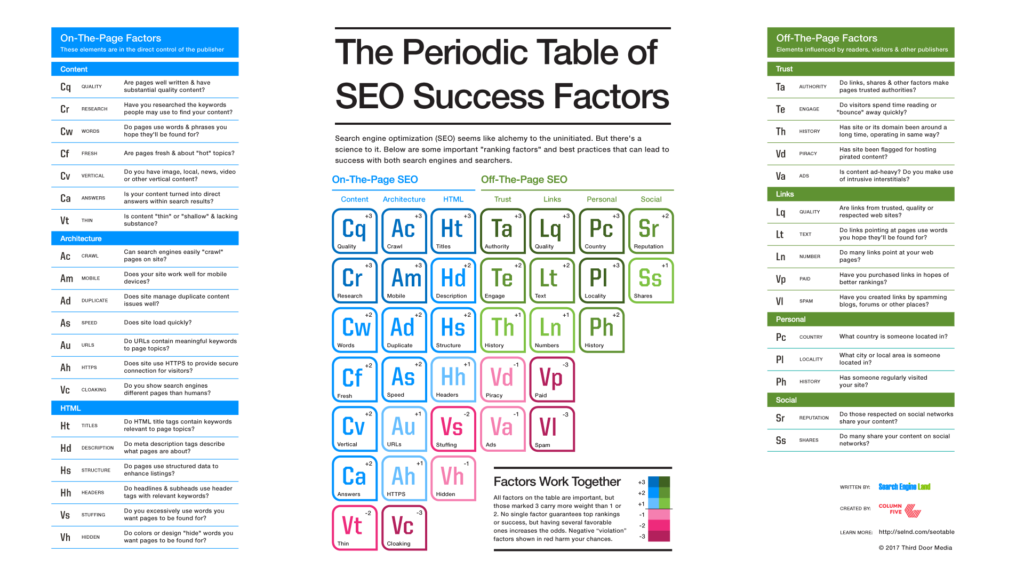
Why?
SEO is the essential and foundational facilities of your brand's DNA online. Even the most beautiful mansion (paid advertising) falls apart under a weak foundation. The internet shares everything organically so you may not even understand what is out there around your brand without a strong SEO strategy and consistently conscious and wise messaging.When?
Every brand that has a website must have some participation in SEO and work within organic listings to achieve company brand standards and goals. Online marketers need to frequently update and enhance location listings for those traditional businesses. This is a continuous procedure, however it usually begins with an assessment or opportunity evaluation.
Ecommerce, shopping ads (formerly product listing ads).
Ecommerce is the broad term for online retail, which includes paid and overdue aspects that operate in tandem. This varies from shopping ads on online search engine and open markets like Amazon/Walmart to integrations like Shopify.

Idea.
Automation and artificial intelligence is key to ecommerce success. Attempt leveraging a management platform like Kenshoo to combine holistic ecommerce stories and acquire innovative abilities in the ecommerce program.
Why?
Ecommerce is crucial to drive online sales effectively, efficiently and taking full advantage of effect on the bottom line.When?
If you offer products online, the entry point is going shopping ads on search engines. From there, it depends on merchants, supply chain, and markets your items are offered.
Every brand name's requirements will be different and need a distinct mix of SEO, SEM, and ecommerce. Online marketers will need to assess the brand name's objectives and abilities to determine what programs are necessary, how they will assist achieve objectives, and what information is needed to attain the goals.
Brand names will have comparable goals when executing SEO, SEM, and ecommerce, like developing a SERP existence, however there is ample opportunity for imagination within these platforms to achieve a brand's special goals. It is essential that online marketers stay concentrated on these objectives throughout the project but also be nimble as the industry changes and reallocate funds to different platforms if the preferred results are not attained. Tracking lead to real-time will assist marketers refocus their techniques quickly to make sure the objectives will be met.
Now that we understand the relationship, usage cases, and benefits-- let's look at some concerns you can ask to help determine the next steps to take your search program to the next level.
What's your primary business goal?
What pain points are you attempting to resolve?
Do you have the best partner who has strength, know-how, tools, and abilities across all search channels?
Taking a look at channels holistically, online marketers must implement strategic planning with an active approach to adjust for outcomes is what will drive excellence in your overall marketing program. While they each play various functions and bring different benefits to marketers, these channels should never be pitted against each other, compared on a 1:1 basis or change one another's function in the marketing mix. Instead, they need to be thought about extra to each other and pivotal to success.